
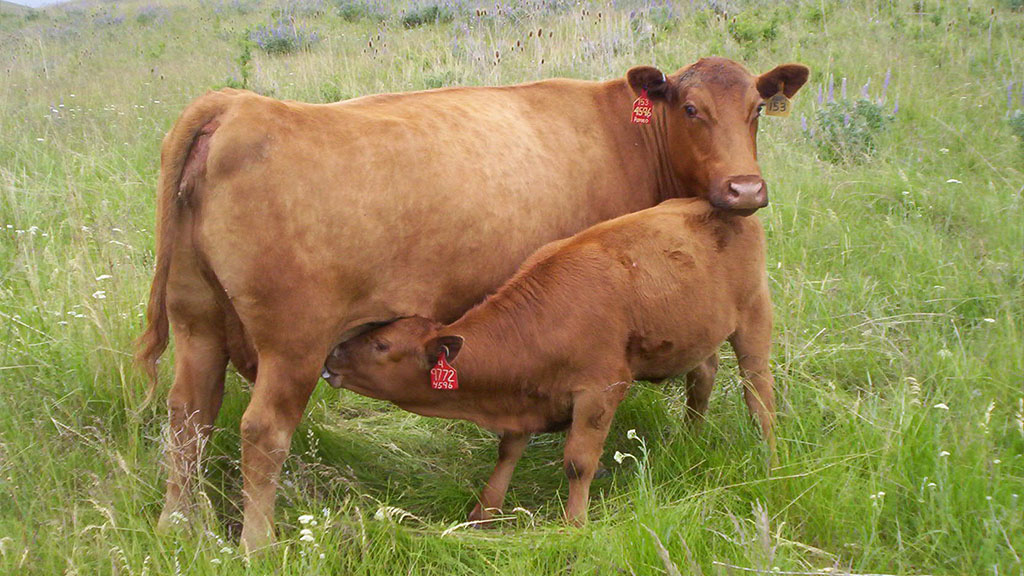
The Curious Case of the Disappearing Red Angus
If you’d asked a Scottish farmer in the early 1800s what colour Angus cattle were, they might have looked at you a bit oddly. The answer wasn’t nearly as straightforward as it is today. While we now think of Angus as synonymous with sleek black cattle, the original herds roaming the hills of Aberdeenshire were a mixed bag—and a fair few of them were actually red.
It’s one of those quirky bits of agricultural history that doesn’t make it into many conversations, but it’s worth knowing.
This is the story of how Angus cattle went from a multicoloured bunch to the uniformly black breed we recognise today is really a tale about fashion, farming politics, and one particularly influential breeder’s preferences.
The Beginning: A Mixed Palette
Back in the northeastern counties of Scotland, particularly Aberdeenshire and Angus (which gave the breed its name), local cattle came in several shades. Black was common, sure, but so were red, brindle, and even some with white markings. These weren’t considered different breeds—they were all just local cattle, valued for their hardiness and meat quality rather than their colour coordination.
The breed known as Aberdeen Angus began to take shape in the late 18th and early 19th centuries, when farmers started keeping better records and selectively breeding their stock. Two names stand out in this history: Hugh Watson of Keillor and William McCombie of Tillyfour. These blokes were the real architects of the modern Angus breed, carefully selecting cattle that met their standards for conformation, temperament, and productivity.
The Great Colour Debate
Here’s where it gets interesting. When these early breeders were establishing what an Angus should look like, they had to make decisions about which traits to prioritise. Colour became a surprisingly contentious issue. Both black and red calves could appear in the same herd, often from the same parents, because the red gene is recessive. Two black cattle carrying the red gene could produce a red calf. It’s just basic genetics at work.
Hugh Watson preferred black cattle. He believed they were superior, though whether this was based on any real agricultural advantage or simply personal taste is debatable. What’s certain is that his influence was enormous. When the first herdbook for Aberdeen Angus cattle was established in 1862, the breed standard increasingly favoured black animals.
William McCombie, equally influential, also leaned heavily towards black cattle in his breeding programme. Between these two pioneers and their followers, black became the fashionable choice. The breed standards that emerged from this period essentially codified black as the “correct” colour for Angus cattle.
What Happened to the Reds?
The red Angus didn’t disappear—it just became unwelcome in polite society, so to speak. For decades, red calves born to registered black Angus parents were considered inferior. Many were simply sold off as commercial cattle, excluded from the registry, and not used for breeding pedigree stock.
This created an odd situation where perfectly good cattle were being overlooked purely because of aesthetics. The red animals had all the same qualities that made Angus cattle desirable. The only difference was their coat colour.
The Red Angus Renaissance
It took until the 20th century for attitudes to shift. In 1917, American ranchers who appreciated the qualities of these red animals established a separate registry for Red Angus. Australia followed suit in 1970 with the Red Angus Breeders’ Association of Australia. Suddenly, what had been treated as a genetic mistake became a breed in its own right.
Today, both black and red Angus are highly regarded, and many breeders work with both colours. The red variety has actually gained popularity in some regions, partly because the lighter coat can be advantageous in hot climates—something we Australians can certainly appreciate.
The Bottom Line
So yes, Angus cattle were originally red—or at least, many of them were. The dominance of black Angus today is down to the preferences of a handful of influential 19th-century Scottish breeders who decided black looked better and made it the standard. It’s a reminder that even in something as practical as cattle breeding, fashion and personal preference can shape outcomes just as much as hard science.
The next time you see a herd of black Angus in a paddock, spare a thought for their red cousins. They’ve been there all along, just waiting for their moment in the sun. And in typical agricultural fashion, they’ve proved that good cattle are good cattle, regardless of what colour coat they’re wearing.
IIF regularly offers Black Angus cattle investment opportunities to Co-op members. If you’re interested in supporting Australian farmers, join here – and put a farm in your pocket.