The next ten years of Australian food are going to be delicious, a little wild, and surprisingly close to home.
Cast your mind back fifteen years. Quinoa was a punchline. Kale was a garnish. Matcha was something you ordered in Kyoto, not Cremorne. Now all three are on every café menu in the country.
Food trends have a way of feeling sudden, but they rarely are. They build slowly, gather pace, then arrive all at once. Which means right now, if you know where to look, you can see exactly what’s coming.
Here’s our best read on what Australia will be eating over the next five to ten years – and why some of the most interesting opportunities are growing quietly in paddocks and ocean farms you’ve probably never heard of.
The next five years: Familiar gets an upgrade
Native ingredients go from niche to normal
This one is already underway, and it’s only going to accelerate. The Australian native food industry is growing rapidly. It is projected to reach $160 million this year, with ingredients like finger limes now being cultivated as far away as California and Guatemala. Finger limes, wattleseed, Kakadu plum and quandong have been championed by chefs for years. Thanks to programs like MasterChef, they’ve been introduced to a much wider audience. The next step is supermarket shelves. Expect to see wattleseed in your morning granola and Kakadu plum in your moisturiser within a few years, with Australian-grown versions commanding a premium.
Fermented everything
Kimchi has been in Australian supermarkets for years. What’s coming is the deeper wave. Gochujang (Korean fermented chili paste) is gaining fast consumer adoption, while yuzu kosho has shown 63% growth over four years in comparable markets. Japanese staple miso is showing up in desserts, dressings, and caramel sauces. The driver isn’t just flavour; it’s gut health. Australians have become serious about their microbiomes, and fermented foods sit squarely at the intersection of delicious and good for you. Expect local producers to start fermenting native ingredients. Think saltbush miso or lemon myrtle koji creating something genuinely new.
Functional mushrooms
Lion’s mane in your coffee. Reishi in your chocolate. Chaga in your tea. Global sales of functional mushroom supplements topped US$4.2 billion in 2024 and are growing at over 10% per year. This isn’t fringe wellness anymore. It’s mainstream grocery. Australian growers are well-placed here. Mushrooms love our climate range and can be grown with minimal footprint. Watch this space.
Seaweed
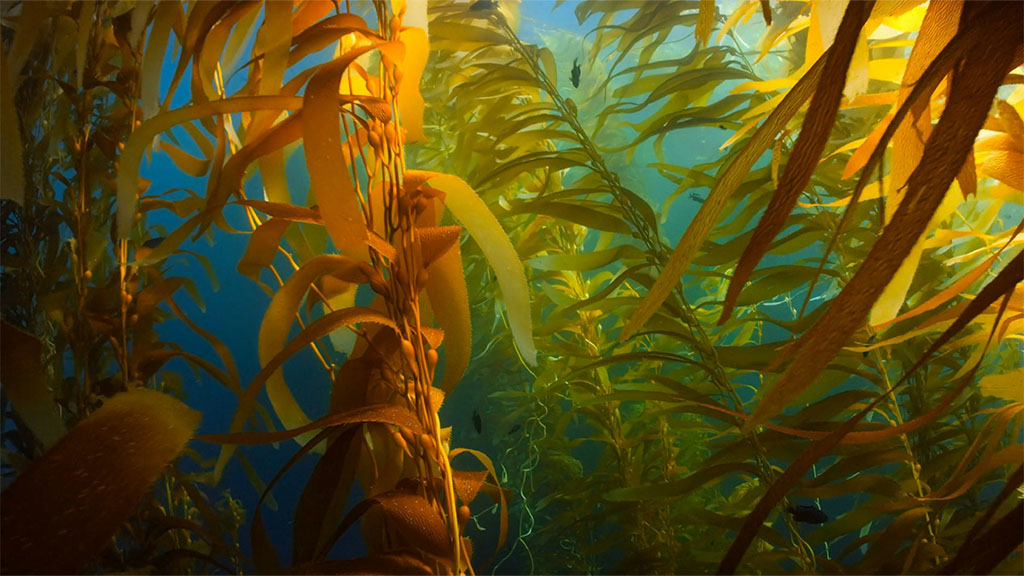
This is perhaps the most quietly exciting story in Australian food right now. Australia has developed hatchery and grow-out methods for local kelp species, with significant funding committed to establishing a seaweed-based industry. Companies are already supplying edible seaweeds including ulva and nori to restaurants and resorts worldwide, farmed right here in Australian waters. Seaweed is extraordinarily nutritious, requires no fresh water or arable land to grow, and is central to cuisines that Australians already love – Japanese, Korean, Chinese. We’re not far from Australian-grown seaweed snacks sitting next to the rice crackers at Woolworths.
The next ten years: The longer game
Peer out a decade and the picture gets more interesting. Native Australian fruits have evolved to thrive on infrequent rainfall, making them naturally suited to a warming world. As climate pressure on conventional farming increases, crops like quandong and muntries – which barely need irrigation and actually prefer poor soils – start to look less like novelties and more like solutions. Expect serious commercial plantings by the early 2030s.
The seaweed industry has real scale potential over a ten-year horizon. The Australian Government has committed $8.1 million to develop a national seaweed farming program, which tends to be a reliable signal that something is moving from experimental to real. When governments put money in, commercial operators follow.
And then there’s the slow, steady rise of Australian-grown versions of foods we currently import: Wasabi (already being trialled in alpine Victoria and Tasmania), saffron (small but growing plantings in the high country) and specialty mushroom varieties that currently travel halfway around the world to reach our tables.
The common thread through all of this? Food that is grown closer to where it’s eaten, by farmers willing to try something new. That’s exactly the kind of story IIF was built for – getting people connected to the farm before the food arrives on the plate. The next decade of Australian food is genuinely exciting. The best seats aren’t at the restaurant. They’re at the source.
Photo by Oleksandr Sushko via Unsplash